AI Algorithms Reshape Blackjack Practice Sessions on Mobile Devices
Written by Taylor Walter · Aug 11, 2026
AI Algorithms Reshape Blackjack Practice Sessions on Mobile Devices
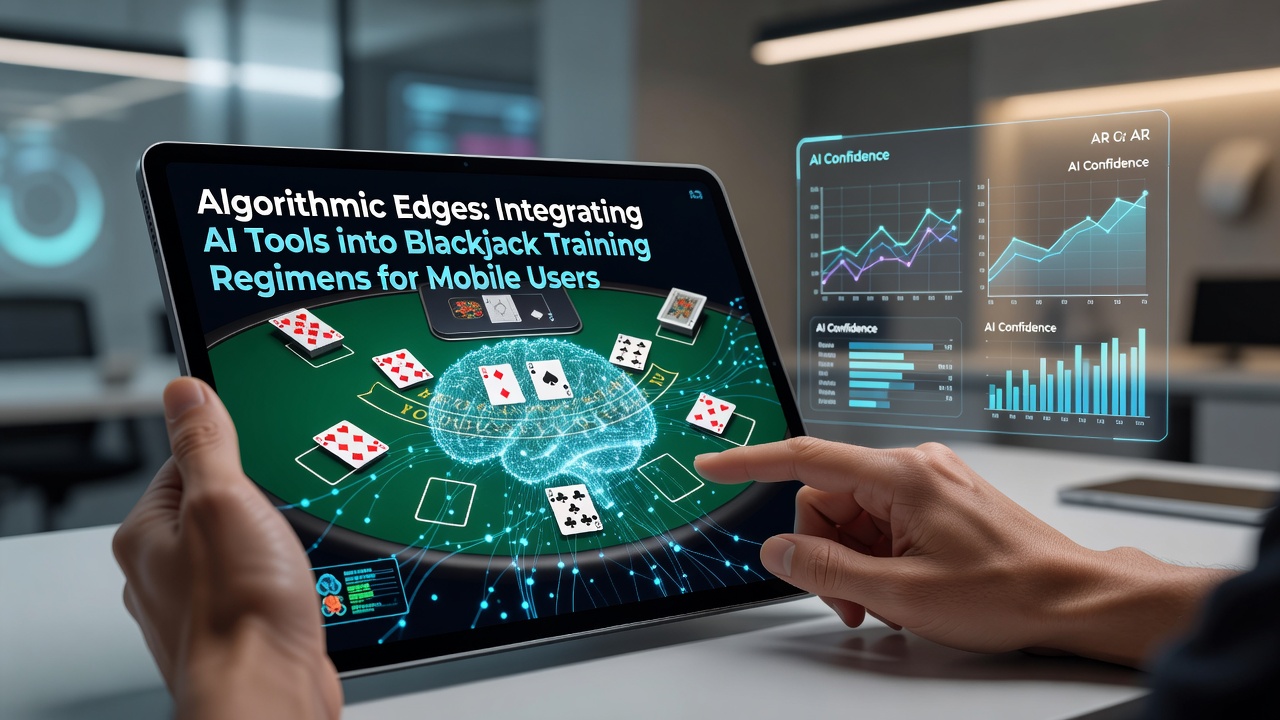
Developers have built AI systems that simulate thousands of blackjack hands in seconds, and these tools now run directly on smartphones for users who want structured practice away from tables. Mobile applications employ reinforcement learning models that track every decision a player makes against basic strategy charts, then adjust future drills to target recurring errors such as incorrect doubling on soft totals or improper splitting pairs.
Core Mechanisms Behind AI Blackjack Training
Algorithms process game states including deck composition, dealer upcard, and current hand totals, then output recommended actions derived from millions of simulated rounds. Data shows that apps using Monte Carlo methods generate decision trees updated in real time, while users receive immediate feedback on deviation frequency and expected value shifts. Researchers at the University of Nevada, Reno have documented how these systems replicate multi-deck environments common in both online and land-based settings, allowing trainees to practice penetration rates and shuffle tracking scenarios without physical cards.
Integration with mobile sensors further refines training because accelerometers and touch data record reaction times, and some platforms correlate slower decisions with higher error rates during high-pressure simulations. As of August 2026, several applications have added cloud synchronization so session histories transfer across devices, and users maintain consistent progress tracking whether practicing on tablets or phones during commutes.
Mobile-Specific Features and Data Patterns
Push notifications prompt daily drills focused on identified weak spots, and progress dashboards display metrics such as accuracy percentages across hand categories like hard totals, soft totals, and pair splits. Industry reports indicate that users who complete at least 500 AI-guided hands per week demonstrate measurable reductions in deviation from optimal play, with one study tracking a 12 percent improvement in average expected value after four weeks of consistent use. Applications also incorporate random number generators certified by testing labs, ensuring simulation outcomes align with theoretical probabilities rather than introducing bias.
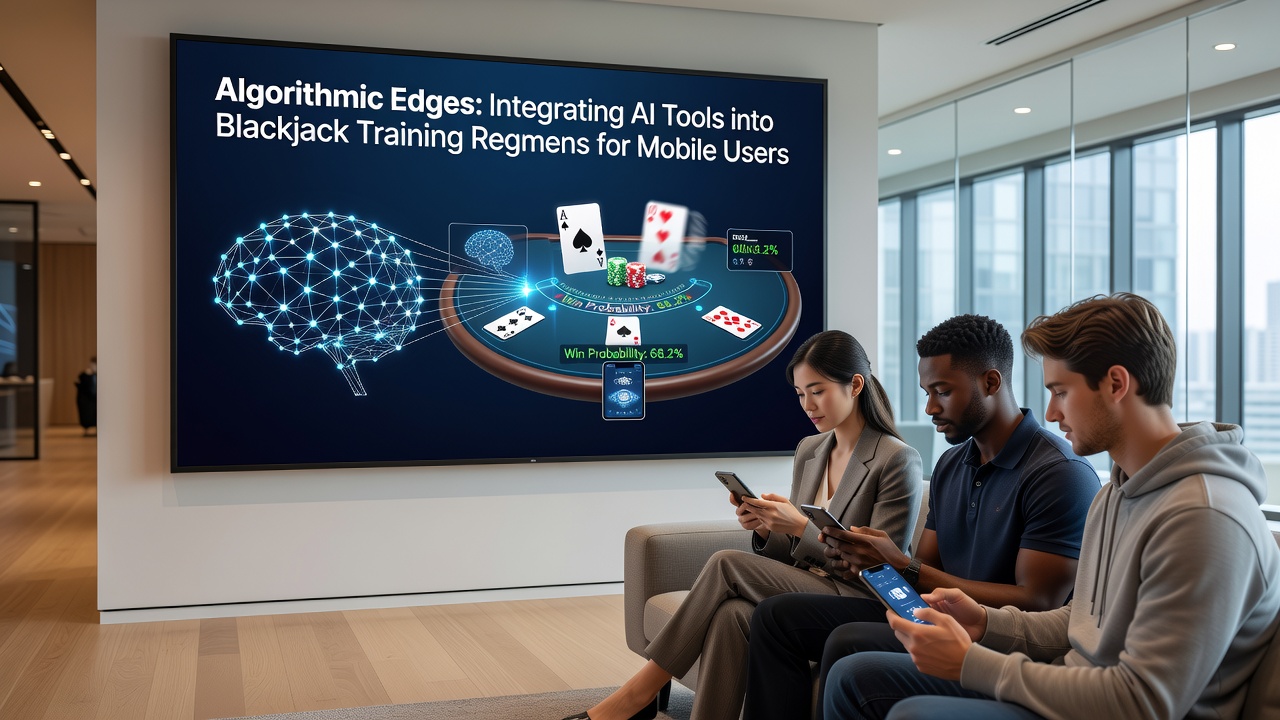
Some programs layer in variant-specific modules covering games like Spanish 21 or Double Exposure, and these modules adjust payout structures within the simulation so users learn when surrender becomes the correct move under altered rules. Observers note that mobile interfaces often present information through swipeable charts rather than static tables, which helps users review index numbers for card counting systems during short practice windows.
Integration with Broader Strategy Resources
AI trainers frequently link to external databases maintained by gaming research organizations, and one connection routes users to reports from the Nevada Gaming Control Board that detail house edge variations across different table rules. These links appear within the app after users finish benchmark tests, providing context on how real-world conditions differ from pure simulation. Another integration draws from academic papers on probability modeling hosted by Canadian university repositories, where studies examine multi-hand play dynamics and bankroll volatility under various betting spreads.
Users receive exportable session logs in CSV format, and these files integrate with spreadsheet software for custom analysis of win rate trends over extended periods. Figures reveal that players who combine AI drills with periodic review of published deviation charts maintain steadier performance across both single-deck and shoe games, because the algorithms highlight when count-based adjustments outperform basic strategy in specific counts.
Current Landscape as of August 2026
Platform updates in August 2026 introduced voice-guided drills that narrate correct plays during hands, and developers designed these features for accessibility on devices with smaller screens. Compatibility with wearable technology allows heart rate data to influence simulation difficulty, raising stakes in virtual sessions when users show signs of stress. Trade group publications from the American Gaming Association confirm that licensed training apps must meet standards for random outcome verification, which reduces the chance of skewed results that could reinforce incorrect habits.
Cross-platform leaderboards let users compare accuracy scores anonymously with others in similar skill brackets, and aggregate data from these boards shows regional differences in common mistakes, such as higher rates of insurance errors in markets where side bets appear more frequently. Developers continue to refine natural language explanations within the apps so that each correction includes the mathematical rationale behind the recommended action.
Conclusion
AI tools embedded in mobile applications deliver structured repetition and targeted feedback that align closely with established probability models for blackjack. Data from multiple research institutions indicates measurable gains in decision accuracy when users engage regularly with these systems, while integration features allow seamless connection to regulatory reports and academic resources. As simulation capabilities advance, training regimens on mobile devices continue to incorporate additional variables such as rule variations and real-time sensor input, maintaining alignment with the core mathematics that govern optimal play across formats.